Common Roof Flashing Problems That Lead to Water Damage
To prevent water damage caused by common roof flashing problems, local contractors can expertly install, repair, or replace flashing to ensure your roof stays watertight.
Homeowners and property owners in the area often face the challenge of keeping their roofs in top condition, especially when it comes to preventing water damage. One of the most common issues linked to roof longevity and safety involves problems with roof flashing-those thin metal strips designed to direct water away from vulnerable areas. When roof flashing isn’t properly installed or begins to deteriorate, it can lead to leaks, mold, and structural damage over time. Understanding these common roof flashing problems that lead to water damage can help property owners take proactive steps to protect their investments and avoid costly repairs.
Fortunately, local contractors who specialize in roof flashing installation can help address these issues before they escalate. Proper installation and timely repairs are key to ensuring that flashing performs its role effectively, especially in areas prone to heavy rain or harsh weather conditions. Exploring this topic provides valuable insights into how the right installation practices and maintenance can extend the life of a roof and prevent water intrusion. Keep reading to learn more about common flashing problems and how experienced service providers can help keep roofs secure and watertight.
- Roof flashing installation - needed when old or damaged flashing allows water to seep into the roof structure, with local contractors ensuring proper sealing and placement.
- Roof flashing repair - required if existing flashing shows signs of rust, cracks, or displacement that can lead to water leaks, with service providers restoring the integrity of the flashing.
- New roof flashing installation - essential during roof replacement or renovation projects to prevent common roof flashing problems that lead to water damage, with local pros customizing solutions for each roof type.
- Flashings around roof penetrations - necessary when existing flashings around vents, chimneys, or skylights fail, with local contractors installing durable flashings to prevent water infiltration.
- Step and continuous roof flashing - used to address issues at roof valleys and edges, with service providers installing or replacing flashings to protect vulnerable areas from water intrusion.
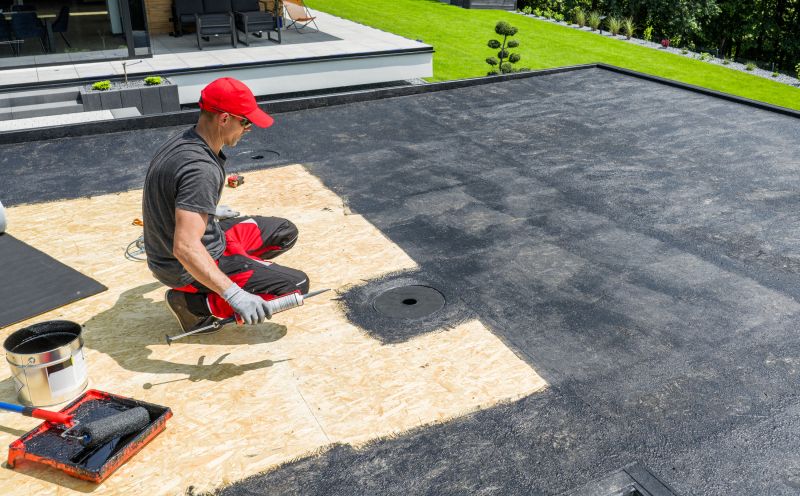

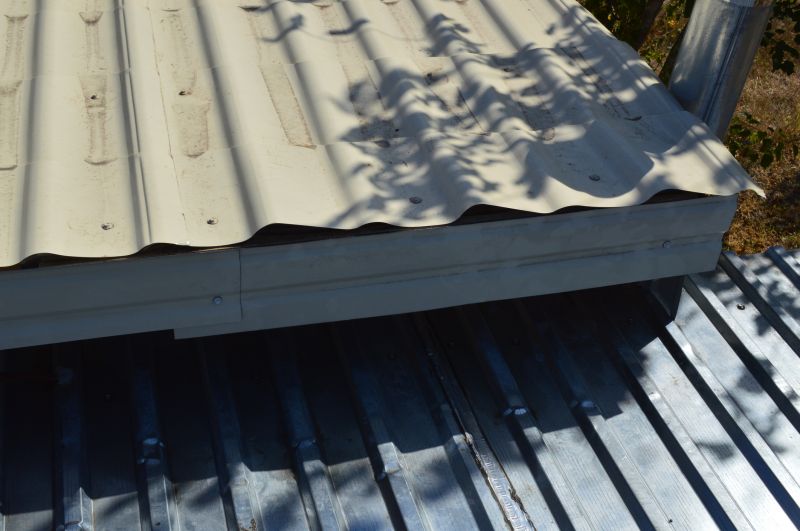
Understanding common roof flashing problems that lead to water damage is essential for homeowners aiming to protect their properties. Roof flashing is a thin material, typically metal, installed around roof penetrations, joints, and edges to direct water away from vulnerable areas. When these flashings fail or become compromised, water can seep into the roof structure, causing leaks, mold growth, and structural deterioration. People searching for this topic often want to learn about how to identify signs of flashing issues, prevent water intrusion, and find reliable local service providers who can repair or replace damaged flashing effectively. Recognizing these problems early can save homeowners from costly repairs and extensive water damage in the long run.
Common roof flashing problems that lead to water damage generally relate to improper installation, aging, or damage caused by weather conditions. Over time, flashing can corrode, warp, or become loose, especially if it was not installed correctly initially. Flashing that isn’t properly sealed or overlaps incorrectly creates gaps where water can infiltrate. Additionally, severe weather events like heavy rain, wind, or hail can damage or dislodge flashing, exposing the roof to potential leaks. These issues are often associated with critical roof components such as chimneys, skylights, vents, and roof valleys, which are common points of vulnerability. Addressing these problems typically involves inspecting these areas regularly and working with experienced roof flashing installation professionals who understand how to ensure a tight, durable fit.
The types of properties most commonly affected by flashing problems include residential homes, particularly those with complex roof designs, as well as small commercial buildings. Homes with multiple roof levels, dormers, or intricate architectural features tend to have more flashing joints and intersections, increasing the likelihood of issues. Older properties are especially susceptible because their flashing materials may have deteriorated over time or were initially installed with less advanced techniques. Commercial properties with flat roofs or low-slope designs also rely heavily on properly installed flashing to prevent water intrusion. Regardless of property type, it’s crucial to work with local contractors who specialize in roof flashing installation and repairs, as they understand the specific challenges posed by different roof styles and can help ensure the integrity of the flashing system.
Properly addressing common roof flashing problems that lead to water damage involves thorough inspection, timely repairs, and correct installation practices. Homeowners should seek out experienced service providers who can identify potential issues before they escalate into major problems. These professionals can replace corroded or damaged flashing, seal gaps, and improve existing flashing systems to withstand weather exposure. Working with local pros ensures that repairs are suited to the specific roof type and local climate conditions, which can significantly extend the lifespan of the roof. Ultimately, regular maintenance and expert intervention are key to preventing water damage caused by flashing failures, helping homeowners preserve the safety and value of their properties over time.
Roof repair projects - these often involve addressing issues with flashing to prevent water intrusion and protect the structure, similar to installation work for roof flashing problems.
Gutter installation and maintenance - proper flashing is essential around gutters to ensure water flows correctly and avoids leaks, requiring similar planning and skill as flashing repairs.
Chimney flashing services - installing or repairing chimney flashings involves similar techniques and tools to prevent water damage caused by common roof flashing problems.
Skylight sealing and flashing - ensuring proper flashing around skylights helps prevent leaks, which is directly related to addressing common flashing issues that cause water damage.
Roof waterproofing projects - these involve applying protective coatings and sealing vulnerable areas, including flashing, to prevent water penetration and damage.
Attic ventilation and insulation services - effective ventilation can reduce moisture buildup that exacerbates flashing problems, requiring similar planning and installation skills.
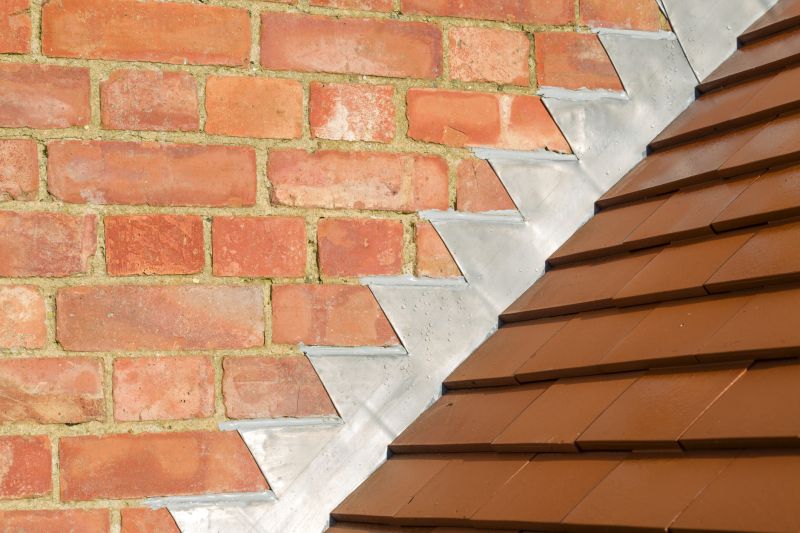
When comparing service providers for roof flashing installation, it is important to consider their experience with similar projects. Homeowners should inquire about the types of roofs and flashing issues they have handled in the past to ensure familiarity with common roof flashing problems that lead to water damage. An experienced contractor will understand the nuances of different roofing materials and construction styles, which can influence the quality and longevity of the flashing work. This background can help ensure that the chosen professional is well-equipped to address specific concerns and prevent future water intrusion issues related to flashing failures.
Clear written expectations are essential when evaluating local contractors for roof flashing services. Homeowners should seek detailed project descriptions, including what materials will be used, the scope of work, and the steps involved in addressing common roof flashing problems that lead to water damage. Having this information in writing helps prevent misunderstandings and ensures everyone is aligned on the project goals. Transparent communication about the process and deliverables can also make it easier to compare different service providers and select someone who demonstrates professionalism and clarity.
Reputable references and good communication are key factors when selecting a contractor for roof flashing installation. Homeowners should ask for references from previous clients who had similar work done, especially those who experienced or prevented water damage issues. Speaking with past customers can provide insights into the contractor’s reliability, workmanship, and ability to resolve common roof flashing problems effectively. Additionally, service providers who communicate clearly and promptly respond to questions tend to be more dependable, making the process of comparing local pros more straightforward and helping ensure the chosen professional can effectively address issues that could lead to water damage.
Property owners often search for common roof flashing problems that lead to water damage when they are planning practical projects around their homes and businesses. Local pros provide Roof Flashing Installation services for everyday jobs and straightforward project options.
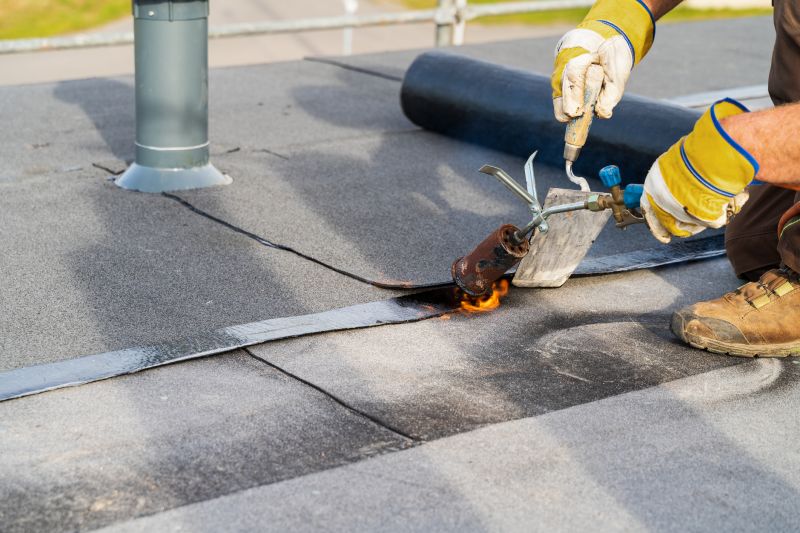
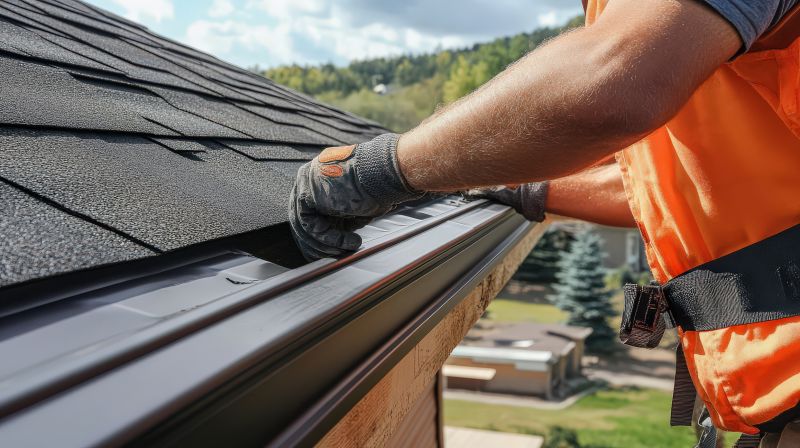
Many property owners in the area search for information on common roof flashing problems that lead to water damage because they notice signs like leaks around chimneys, vents, or skylights. These issues often arise from improperly installed or aging flashing materials that fail to create a watertight seal. Over time, exposure to weather elements can cause flashing to crack, lift, or corrode, increasing the risk of water seeping into the roof structure. Homeowners may consider roof flashing installation services from local contractors to address these vulnerabilities and prevent costly water damage.
Understanding the typical causes of flashing problems can help property owners identify potential issues early. Poor installation, using incompatible materials, or neglecting regular inspections can all contribute to flashing failure. When these problems occur, water can infiltrate through gaps or cracks, leading to interior damage and mold growth. Local service providers experienced in roof flashing installation can assess the situation, recommend suitable solutions, and ensure that flashing components are properly installed and maintained to protect the home from water-related issues.
What are common roof flashing problems that lead to water damage? Common issues include improper installation, damaged or corroded flashing, and gaps or cracks that allow water to seep into the roof structure. Local contractors can identify and fix these problems to prevent water intrusion.
How does improper installation of roof flashing cause water damage? Incorrectly installed flashing may not seal properly around roof joints, valleys, or chimneys, leading to leaks. Experienced service providers can ensure flashing is correctly installed to protect against water infiltration.
What signs indicate damaged or corroded roof flashing? Visible rust, bent or broken flashing, and water stains on ceilings or walls are signs of damage. Local roofing professionals can replace or repair damaged flashing to maintain waterproofing.
Why do gaps or cracks in roof flashing lead to water issues? Gaps and cracks allow water to bypass protective barriers and penetrate the roof. Skilled contractors can seal these openings effectively to prevent water damage.
How can regular maintenance help prevent water damage from roof flashing problems? Routine inspections and timely repairs by local service providers can catch issues early, ensuring flashing remains intact and water-tight, reducing the risk of water damage over time.
Proper flashing installation techniques can prevent common roof flashing problems that lead to water damage by ensuring all vulnerable areas are sealed correctly during a roof project with local contractors.
Regular inspection and maintenance help identify early signs of flashing deterioration or damage, allowing property owners to plan repairs with local pros before leaks develop.
Choosing quality flashing materials can reduce the risk of issues like rust or cracking, providing long-lasting protection when installed by experienced local service providers.
Addressing roof penetrations properly ensures that vents, chimneys, and skylights are sealed effectively, preventing water intrusion caused by common roof flashing problems that lead to water damage.
If you are thinking about common roof flashing problems that lead to water damage for a property, this guide is meant to help you understand this topic, the typical project types, and how different options might fit your plans.
When you are ready, you can use the quote form on this page to share a few details about your project. From there, local pros can review the basics and follow up with options that match what you have in mind.