Types of Roof Flashing and Where Each Is Used
People searching for roof flashing often want to ensure proper waterproofing; local contractors can help select and install the right types for their specific needs.
Understanding the different types of roof flashing and where each is used is essential for maintaining a durable and weather-resistant roof. Property owners in the area who are considering repairs or upgrades often explore this topic to better grasp how flashing protects their home from water intrusion and structural damage. Whether dealing with a new roof installation or addressing aging materials, knowing the right type of flashing for specific roof features can help ensure long-lasting results. Local contractors skilled in roof flashing installation and repairs are equipped to advise on the most suitable options for each situation, making it easier to make informed decisions that safeguard the property.
Diverse roof flashing materials and configurations serve unique purposes around vents, chimneys, valleys, and edges. Recognizing where each type is used can help property owners identify potential vulnerabilities or areas needing attention. For those in the area, connecting with experienced service providers ensures that flashing is properly installed and maintained, enhancing the overall integrity of the roof. Exploring the different types of roof flashing and their applications provides valuable insight into how professional installation can help protect a home from leaks and weather-related damage over time.
- Step flashing - needed at roof intersections and chimneys, with local contractors installing metal strips to ensure proper water runoff.
- Continuous flashing - used along eaves and valleys, where seamless metal pieces help prevent leaks and are installed by experienced service providers.
- Base flashing - applied around roof penetrations like vents and skylights, with local pros ensuring a secure seal to protect vulnerable areas.
- Apron flashing - installed at roof edges and wall transitions, with local contractors shaping and securing metal to direct water away from structures.
- Valley flashing - essential in roof valleys to channel water efficiently, with service providers customizing installation for different roof configurations.
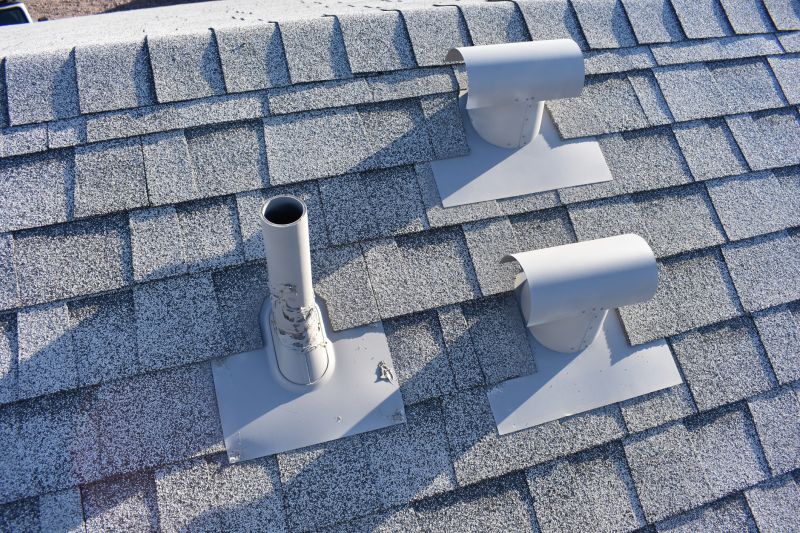


Understanding the different types of roof flashing and where each is used is a common concern for homeowners planning or maintaining a roofing system. When searching this topic, most people are looking for information on how to prevent leaks, improve durability, and ensure their roof is properly sealed around vulnerable areas. Roof flashing acts as a barrier that directs water away from critical joints, seams, and penetrations, making it an essential component in protecting the structure. Homeowners often encounter issues such as water infiltration, rust, or deterioration around roof features like chimneys, vents, or skylights, prompting questions about which flashing types are most suitable for their property.
Properties that typically come up in discussions about roof flashing include residential homes, especially those with complex rooflines or multiple roof penetrations, as well as commercial buildings with flat or low-slope roofs. The choice of flashing depends largely on the roof’s design, slope, and the materials used. For example, a house with a steep pitch and asphalt shingles might require different flashing types than a flat commercial roof with membrane systems. Local contractors who specialize in roof flashing can assess these factors and recommend the most appropriate materials and installation methods to ensure long-term performance and water resistance.
There are several common types of roof flashing, each designed for specific applications and areas on a roof. Step flashing is often used along the sides of chimneys and walls, where it overlaps shingles or other roofing materials to create a layered water-resistant barrier. Continuous or base flashing is typically installed around roof penetrations like vents or skylights, providing a seamless seal that prevents leaks. Drip edge flashing is installed along the eaves and rakes, guiding water away from the roof edge and preventing damage to the underlying structure. Knowing where each type is used helps homeowners understand the importance of proper installation and the role local service providers play in ensuring these components function correctly over time.
Choosing the right roof flashing and ensuring it is properly installed can significantly extend the life of a roof and prevent costly water damage. Homeowners should work with local roofing contractors or specialists who understand the nuances of different flashing types and their best applications. These professionals can evaluate the specific needs of a property, recommend suitable materials, and handle the installation process to ensure the flashing performs as intended. Properly selected and installed flashing not only protects the home’s interior but also enhances the overall durability and integrity of the roofing system, making it a vital consideration in any roofing project.
Roof installation projects - proper flashing is essential for preventing leaks during new roof setups, and local contractors skilled in roofing can ensure correct placement and sealing of flashing components.
Chimney and skylight sealing - these projects require precise flashing techniques to create waterproof barriers around protrusions, with local pros experienced in integrating flashing with existing roofing materials.
Gutter and downspout installation - effective flashing is key to directing water away from the roof edge, and service providers can help ensure flashing is properly integrated with gutter systems for optimal drainage.
Roof repair and leak fixing - addressing leaks often involves replacing or repairing flashing, which requires skillful work from local contractors familiar with different flashing types and their applications.
Siding and exterior wall work - flashing is used to prevent water intrusion at wall joints, and local pros can handle the installation to ensure proper waterproofing around wall penetrations.
Vent and exhaust installation projects - these involve installing flashing to seal around vents and exhaust pipes, with local service providers ensuring a weatherproof fit and proper integration with roofing materials.
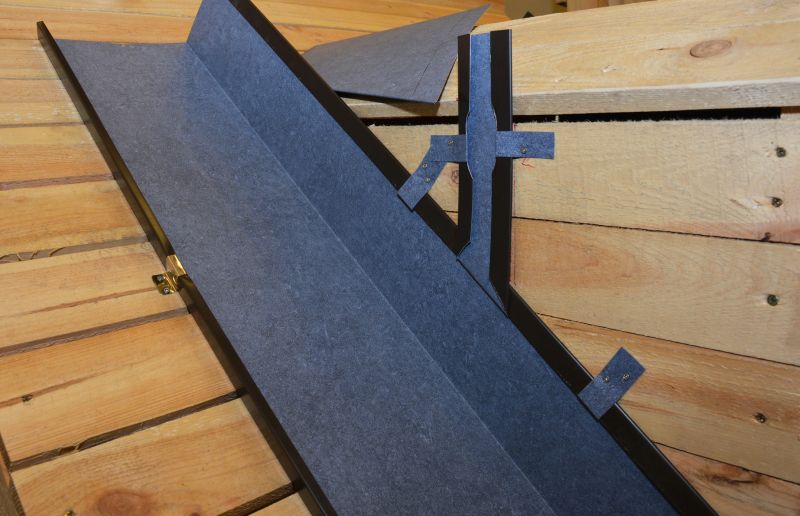
When comparing service providers for roof flashing, it is important to consider their experience with similar projects. Homeowners should inquire about the types of roof flashing they have installed in the past and whether they are familiar with the specific requirements for different types of roof flashing and where each is used. A contractor's familiarity with a variety of flashing materials and their application can help ensure that the installation is performed correctly and that the flashing will perform effectively over time.
Clear written expectations are essential when evaluating local contractors for roof flashing services. Homeowners should seek detailed explanations of the scope of work, including the types of flashing that will be used, the areas of the roof that will be addressed, and the materials involved. Having a comprehensive understanding of what to expect helps prevent misunderstandings and ensures that the project aligns with the homeowner’s needs and preferences.
Reputable references and good communication are key factors in selecting a reliable service provider. Homeowners are encouraged to ask for references from previous clients who had similar work done and to verify the quality of the contractor’s previous projects. Additionally, effective communication throughout the process-such as responsiveness to questions and clarity in explaining options-can make the experience more straightforward and help ensure that the chosen contractor understands the specific requirements related to different types of roof flashing and where each is used.
Property owners often search for types of roof flashing and where each is used when they are planning practical projects around their homes and businesses. Local pros provide Roof Flashing services for everyday jobs and straightforward project options.

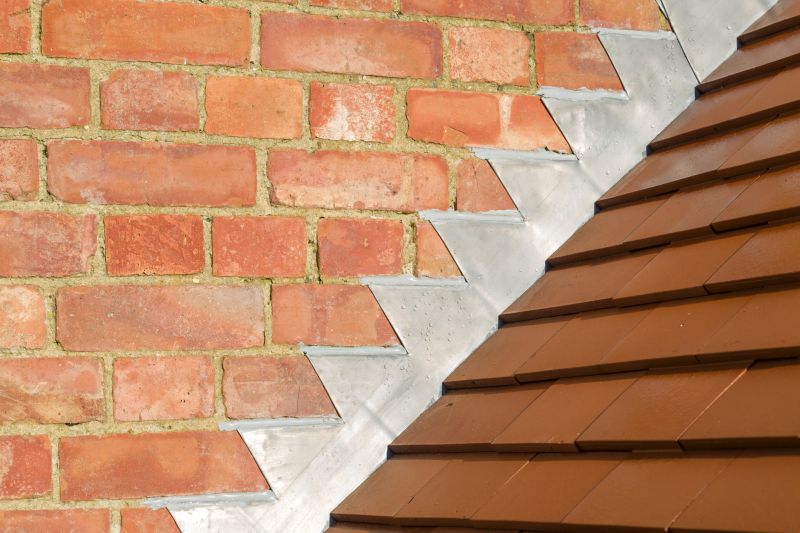
Understanding the different types of roof flashing and where each is used can help property owners make informed decisions about protecting their homes. Common varieties include step flashing, which is often installed around chimneys and walls to direct water away from joints, and continuous or apron flashing, typically used along roof edges and valleys for a seamless barrier. Metal options like aluminum, copper, and galvanized steel are popular due to their durability and weather resistance, making them suitable for various parts of the roof where water intrusion is a concern. Homeowners in the area might look up this information to identify potential issues or to better understand the scope of work when considering roof flashing replacements or repairs.
When it comes to installation or repairs, local contractors who specialize in roofing can provide expert advice on selecting the right types of roof flashing for specific areas of a home. Proper installation is crucial for preventing leaks and water damage, especially around vulnerable spots like chimneys, vents, and skylights. Property owners seeking to ensure their roof is properly protected might consider consulting local service providers who have experience with different flashing materials and techniques. Connecting with knowledgeable professionals can help ensure that the right flashing is used in the right places, maintaining the integrity of the roof and safeguarding the property over time.
What are the common types of roof flashing? Common types include step flashing, continuous flashing, valley flashing, and chimney flashing, each designed for specific roof features and vulnerable areas.
Where is step flashing typically used? Step flashing is used along roof joints where the roof meets a vertical wall or chimney to direct water away from these intersections.
What is continuous flashing and where is it applied? Continuous flashing is a long, single piece of metal installed along roof edges or hips to provide a seamless barrier against water intrusion.
When is valley flashing necessary? Valley flashing is installed in roof valleys where two roof planes meet, helping to channel water down the roof and prevent leaks.
How do local contractors decide which type of flashing to use? Local contractors assess roof design, materials, and vulnerable areas to select the appropriate types of roof flashing for optimal protection and durability.
Types of roof flashing and where each is used - Understanding different types of roof flashing helps property owners choose the right materials for specific areas like chimneys, skylights, and roof valleys, with local contractors providing expert installation.
Step flashing services - Step flashing is essential for sealing roof intersections where a wall meets the roof, and local service providers can ensure proper installation to prevent leaks in these vulnerable spots.
Continuous flashing applications - Continuous or apron flashing is ideal for covering large joints such as along eaves or parapet walls, with local pros capable of installing durable, weather-resistant options.
Specialized flashing types - Specialized flashings like base flashings or saddle flashings are used in unique situations, and experienced local contractors can determine the best fit for each part of the roof.
If you are thinking about types of roof flashing and where each is used for a property, this guide is meant to help you understand this topic, the typical project types, and how different options might fit your plans.
When you are ready, you can use the quote form on this page to share a few details about your project. From there, local pros can review the basics and follow up with options that match what you have in mind.